
Introduction
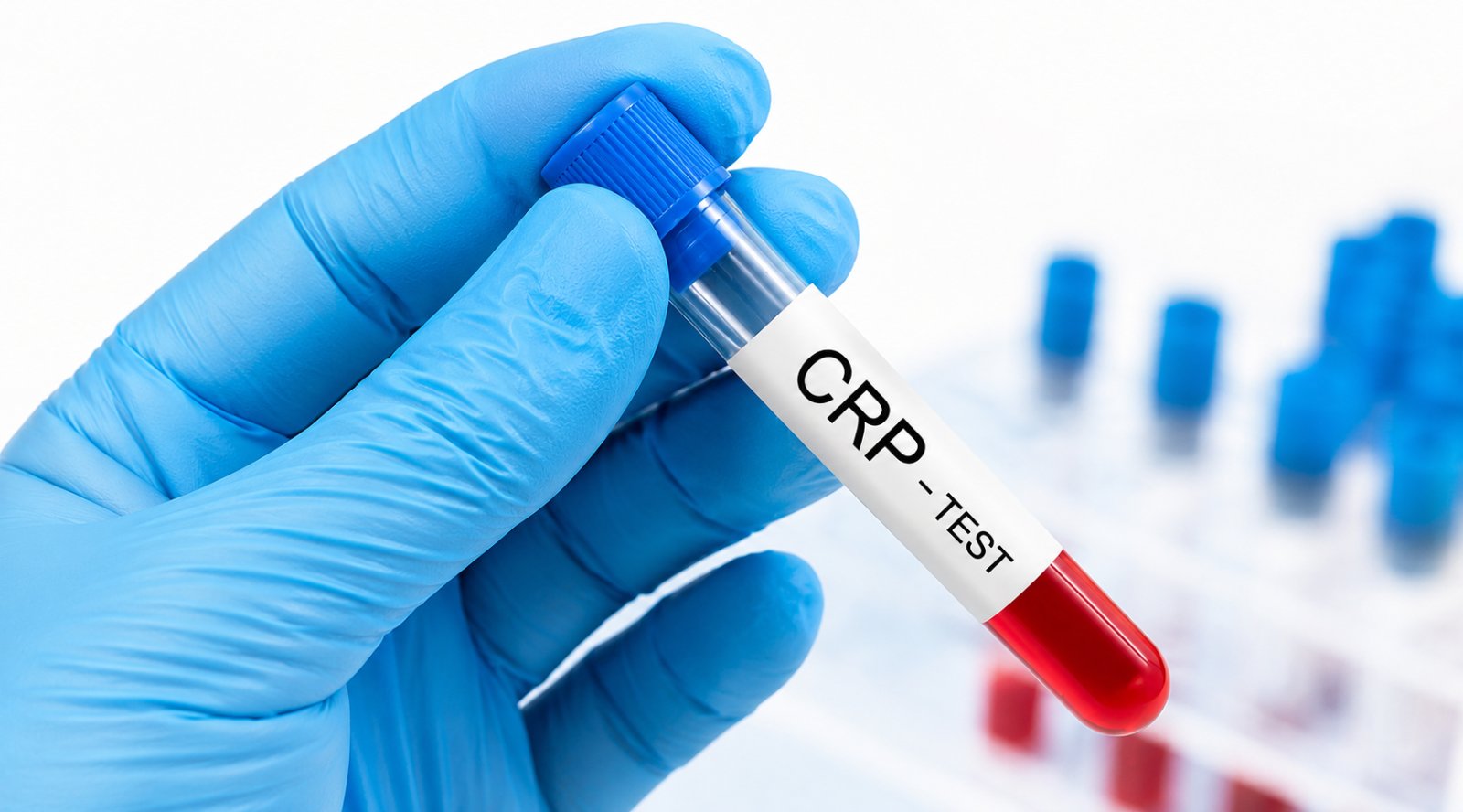
Inflammation markers like CRP and ESR help doctors check for swelling or infection in the body. CRP stands for C-reactive protein, while ESR means erythrocyte sedimentation rate. Both are simple blood tests. They give clues about health problems. In many cases, radiology, such as X-rays or scans, can show where inflammation is happening. Understanding inflammation markers (CRP/ESR) explained in simple terms can help you know what your results mean and why they matter.
What Are Inflammation Markers? (CRP and ESR)
Inflammation markers are substances in your blood that rise when your body is fighting something. For example, if you have an infection or injury, these markers go up. The two most common are:
Both tests are easy and quick. However, they do not show the exact cause of the problem.
Why Are CRP and ESR Important?
CRP and ESR are important because they help doctors spot health issues early. For instance, high levels can point to infections, autoimmune diseases, or even some cancers. Sometimes, these markers help track how well treatment is working. In addition, they can show if a problem is getting better or worse. Because of this, doctors often use these tests to guide care.
How Are CRP and ESR Measured?
Doctors measure CRP and ESR with a simple blood test. The process is quick and safe. Here is what usually happens:
For the CRP blood test, the lab checks the amount of C-reactive protein. For the ESR test, the lab watches how fast red blood cells fall in a tube. Both tests help with inflammation diagnosis.
The Role of Radiology in Detecting Inflammation
Although blood tests show if inflammation is present, radiology helps find where it is. Radiology uses images to look inside your body. For example, X-rays, ultrasounds, CT scans, and MRIs can spot swollen or damaged areas. Sometimes, these images show problems that blood tests alone cannot. In the United States, doctors often use both blood tests and radiology to get a full picture. This approach helps with understanding CRP/ESR results and planning treatment.
Common Conditions Linked to High CRP/ESR
Many health problems can cause high CRP or ESR. Some common conditions include:
However, high levels do not always mean something serious. Sometimes, even a cold or minor injury can raise these markers.
What Do Your Results Mean?
CRP and ESR results help guide your doctor, but they are not a diagnosis by themselves. For example, a high CRP blood test may show you have inflammation, but it does not say where or why. Your doctor will look at your symptoms, exam, and sometimes radiology images. Together, these clues help find the cause. If your results are only a little high, your doctor may repeat the test later. But if they are very high, more tests may be needed.
When to See a Doctor
If you have symptoms like fever, pain, swelling, or feel very tired, you should see a doctor. Early care can help prevent problems. Also, if your doctor orders a CRP or ESR test and the results are high, follow their advice. Sometimes, more tests or scans are needed to find the cause. Do not ignore ongoing symptoms, as they may signal a health issue.
Prevention and Healthy Lifestyle Tips
While you cannot always prevent inflammation, healthy habits can help. For example:
In addition, regular check-ups can catch problems early. These steps support your body and may lower inflammation markers over time.
Conclusion
CRP and ESR are valuable inflammation markers that help detect infections, autoimmune conditions, and other inflammatory diseases. When combined with advanced radiology imaging, they enable accurate diagnosis, timely treatment, and better monitoring of your overall health.
Get accurate answers with advanced diagnostics. Visit Doctor Diagnostics Centre for reliable CRP, ESR, and comprehensive imaging services to support early diagnosis and better healthcare.