
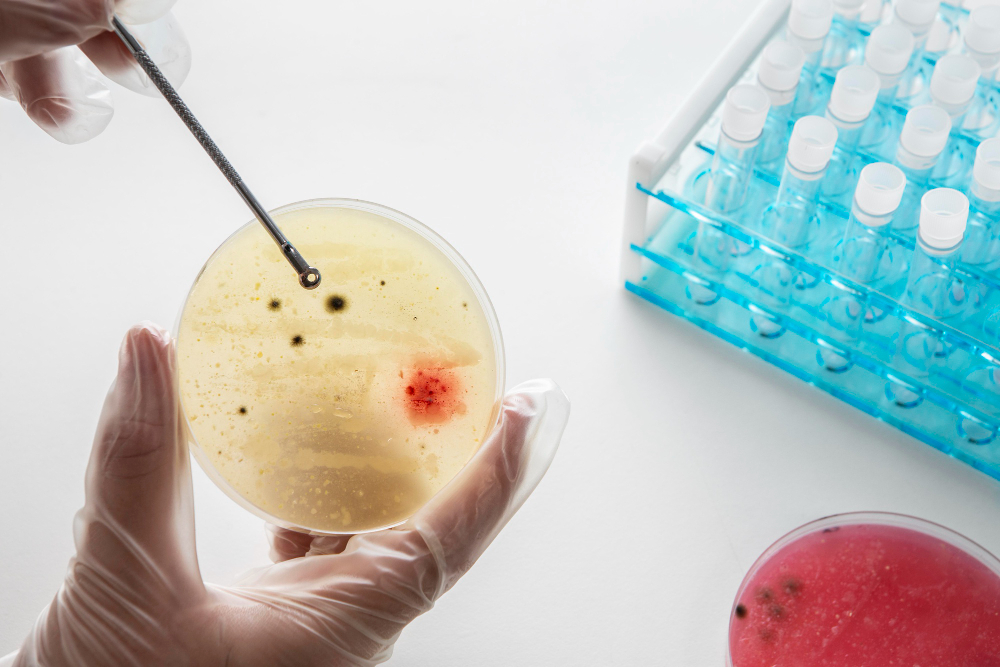
What Is a Stool Culture Test?
A stool culture test checks for germs in your stool, or poop. Doctors use this test to find bacteria, viruses, or parasites that may cause illness. The test helps find the cause of stomach problems. Often, a stool culture test is ordered when you have symptoms like diarrhea or stomach pain. According to the CDC, this test is safe and simple. It helps your doctor choose the right treatment.
Why Is a Stool Culture Test Done?
Doctors order a stool culture test to find out if an infection is causing your symptoms. Sometimes, stomach bugs can make you very sick. In other cases, the test helps check if treatment is working. For example, if you have ongoing diarrhea, a stool culture test can show if bacteria are to blame. This test also helps prevent the spread of infection to others.
Symptoms or Situations That May Require a Stool Culture Test
You may need a stool culture test if you have:
Sometimes, doctors also order this test if you work in food service or healthcare and have stomach symptoms. This helps protect others from getting sick.
How to Prepare for a Stool Culture Test
Proper stool culture test preparation is important for accurate results. Usually, you do not need to stop eating or drinking before the test. However, your doctor may ask you to avoid certain medicines. For example, antibiotics or antacids can affect the test. Always tell your doctor about any medicines or supplements you take. If you have questions, ask your healthcare provider before the test.
The Procedure: Step-by-Step Process
Many people wonder, “How is a stool culture test done?” The process is simple and safe. Here are the steps:
After you give your sample, the lab checks it for germs. Results are usually ready in a few days.
How Results Are Interpreted
Stool culture test results show if harmful germs are present. If the test finds bacteria, viruses, or parasites, your doctor will explain what this means. Sometimes, the test is negative, which means no harmful germs were found. In that case, your doctor may look for other causes of your symptoms. If the test is positive, your doctor will discuss treatment options with you. Always ask your doctor if you have questions about your results.
Possible Risks or Side Effects
A stool culture test is very safe. There are no serious risks or side effects. However, collecting the sample may feel a bit uncomfortable or awkward. If you have trouble collecting the sample, ask your healthcare provider for help. Remember, this test does not cause pain or harm.
Tips for Accurate Results
To get the best results from your stool culture test, follow these tips:
By following these steps, you help ensure your test results are correct.
Frequently Asked Questions
Conclusion
A stool culture test is a safe and helpful way to find the cause of stomach problems. It helps your doctor choose the right treatment. If you have questions or need more information, consult your healthcare provider at Doctor Diagnostic Centre for personalized advice about stool culture tests.