
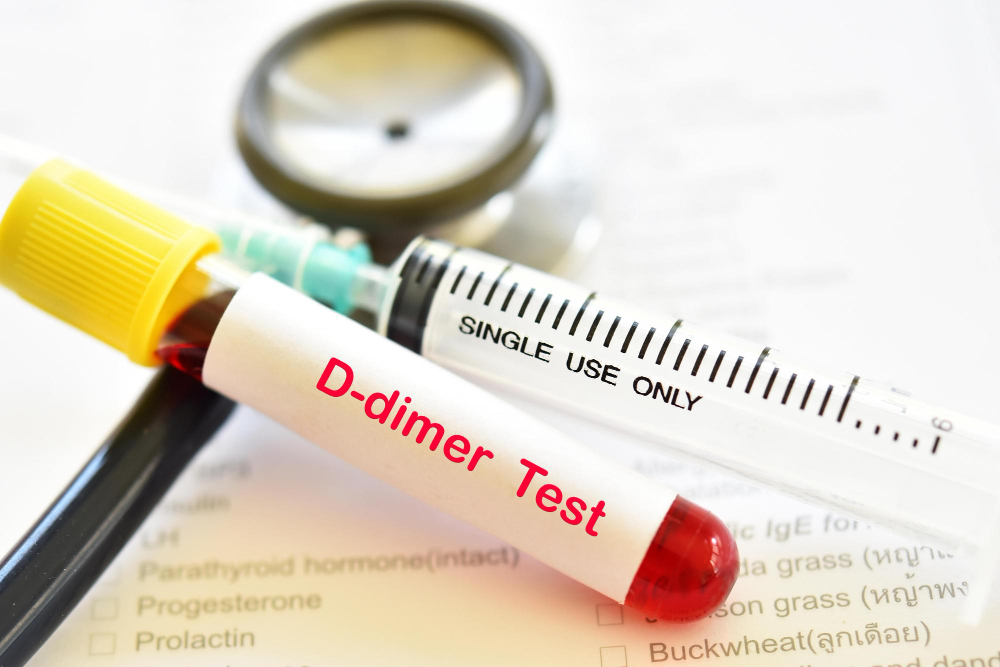
What Is the D-Dimer Test?
The D-Dimer test is a simple blood test. It helps doctors find out if you might have a blood clot in your body. Blood clots can be dangerous because they block blood flow. Because of this, early blood clot detection is very important. The D-Dimer blood test looks for a small protein piece called D-dimer. This piece forms when your body breaks down a blood clot. If you have a high level of D-dimer, it may mean you have a clot. However, other things can also raise your D-dimer level.
Why Is the D-Dimer Test Done?
Doctors use the D-Dimer test for several reasons. First, it helps them check for blood clots in your veins or lungs. Second, it can help rule out serious problems if you have certain symptoms. For example, if you have chest pain or swelling in your leg, your doctor may order this test. Sometimes, the D-Dimer blood test is used to help diagnose conditions like deep vein thrombosis (DVT) or pulmonary embolism (PE). According to the CDC, these conditions can be life-threatening if not treated quickly.
How Does the D-Dimer Test Work?
During the D-Dimer test, a small sample of your blood is taken. After that, the sample goes to a lab. There, experts measure the amount of D-dimer in your blood. Because D-dimer is released when clots break down, high levels may show your body is fighting a clot. However, other health issues can also raise D-dimer levels. For this reason, doctors use this test along with other checks to find out what is happening.
Symptoms and Conditions That May Require a D-Dimer Test
Doctors may order a D-Dimer test if you have signs of blood clots. Some common symptoms include:
In addition, the test may be used if you have had recent surgery, injury, or long periods of rest. Sometimes, doctors use it to check for blood clot problems in people with certain medical conditions, such as COVID-19, as noted by the World Health Organization.
How to Prepare for a D-Dimer Test
Usually, you do not need to do anything special to get ready for a D-Dimer blood test. However, you should tell your doctor about any medicines you take. Some drugs can affect your test results. For example, blood thinners may change your D-dimer level. If you have questions, ask your healthcare provider before the test. In most cases, you can eat and drink as usual.
What to Expect During the Test
First, a nurse or technician will clean your arm. Next, they will use a small needle to take a blood sample from a vein. This part only takes a few minutes. You may feel a quick pinch, but most people say it does not hurt much. After the sample is taken, you can go back to your normal activities. Sometimes, you might have a small bruise where the needle went in.
Interpreting D-Dimer Test Results
After the test, your doctor will look at your D-dimer level. If your level is low or normal, it usually means you do not have a blood clot. However, if your D-dimer level is high, you may need more tests. High D-dimer can mean a blood clot is present, but it can also be caused by:
Because of this, your doctor will use other tests and your symptoms to make a diagnosis. The D-Dimer test is just one part of finding out how to detect blood clots.
Risks and Limitations of the D-Dimer Test
The D-Dimer blood test is very safe. Most people only feel mild discomfort during the blood draw. Rarely, you may get a small bruise or feel dizzy. However, the test does have some limits. For example, it cannot show exactly where a blood clot is. Also, many things besides blood clots can raise your D-dimer level. Because of this, the test is best used with other checks and exams. According to medical journals, the D-Dimer test is most helpful for ruling out clots, not confirming them.
Tips for Blood Clot Prevention
Even though the D-Dimer test helps with blood clot detection, it is important to lower your risk. Here are some simple tips:
For more information, you can visit Doctors Diagnostic Centre.