
What Is an Electrolyte Panel?
An electrolyte panel is a simple blood test. It checks the levels of key minerals in your blood. These minerals, called electrolytes, include sodium, potassium, chloride, and bicarbonate. Because your body needs these minerals to work well, doctors often use an electrolyte panel to check your health. The test is also known as an electrolyte panel test.
Why Is an Electrolyte Panel Important?
Electrolytes help your body in many ways. For example, they balance fluids, help muscles work, and keep your heart beating right. If your electrolyte levels are too high or too low, you may feel sick. An electrolyte panel helps doctors find these problems early. As a result, they can treat you before things get worse.
Common Symptoms and Conditions That May Require an Electrolyte Panel
Sometimes, your doctor may order an electrolyte panel if you have certain symptoms. These symptoms can include:
In addition, some health conditions may need regular electrolyte panel tests. These include kidney disease, heart problems, and diabetes. If you are taking water pills or certain medicines, your doctor may also check your electrolyte levels often.
How Is an Electrolyte Panel Performed?
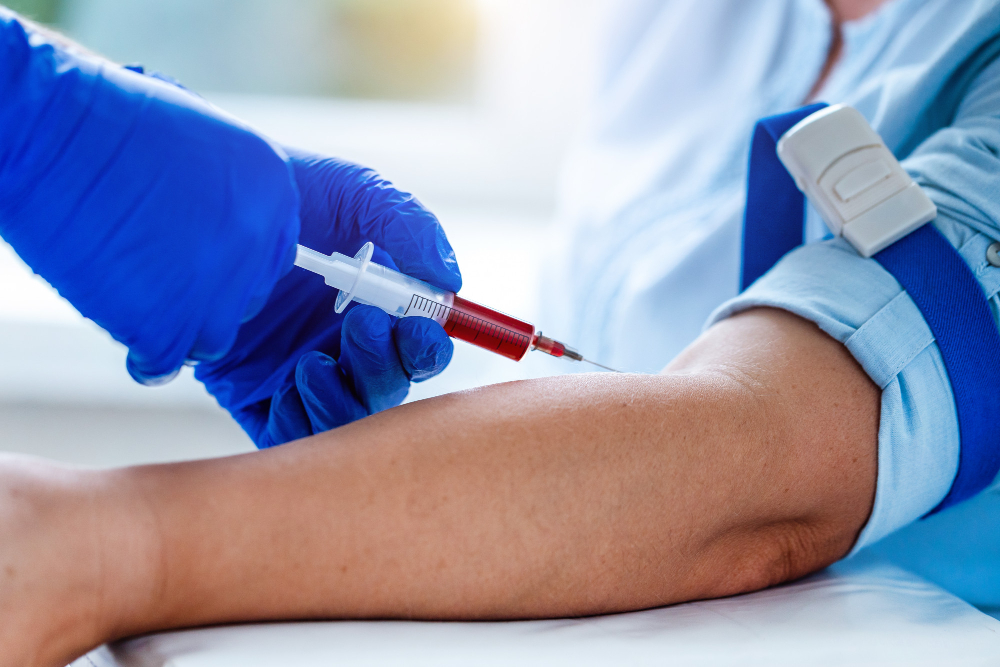
Getting an electrolyte panel is quick and easy. First, a nurse or lab worker takes a small blood sample from your arm. You may feel a quick pinch, but it does not last long. Usually, you do not need to do anything special to prepare. However, your doctor may ask you to stop eating or drinking for a few hours before the test. Always ask your doctor how to prepare for an electrolyte panel.
Understanding the Results: What Do They Mean?
After the test, your doctor will review your results. Normal electrolyte panel values can vary, but they usually fall within these ranges:
If your results are outside these ranges, it may mean you have an electrolyte imbalance. For example, low sodium can cause confusion or seizures. High potassium can affect your heart. Because many things can change your electrolyte levels, your doctor will look at your health history and symptoms before making a plan.
Treatment and Next Steps if Results Are Abnormal
If your electrolyte panel shows abnormal results, your doctor will explain what they mean. Sometimes, you may need more tests. Other times, you may need medicine or changes in your diet. For example, you might need to drink more fluids or take supplements. In some cases, your doctor may adjust your current medicines. Always follow your doctor’s advice for the best results.
Prevention and Lifestyle Tips for Maintaining Healthy Electrolyte Levels
There are simple ways to help keep your electrolyte levels healthy. Here are some tips:
Because prevention is easier than treatment, these steps can help you avoid problems.
Conclusion
In summary, an electrolyte panel is a simple test that checks key minerals in your blood. It helps doctors find and treat problems early. If you have symptoms or health conditions that may affect your electrolytes, talk to your doctor. Consult a healthcare provider at Doctor Diagnostic Centre for personalized advice about electrolyte panels and your health.