
Introduction
A liver function test checks how well your liver works. The liver is a vital organ. It helps your body digest food, store energy, and remove toxins. Because of this, a liver function test is important for your health. Doctors use this test to spot liver problems early. According to the CDC, early detection can help prevent serious issues. If you have symptoms or risk factors, your doctor may suggest a liver function test.
Symptoms and Reasons for Ordering a Liver Function Test
Doctors may order a liver function test for many reasons. Sometimes, you may have symptoms that point to liver problems. Other times, you may need the test even if you feel fine. For example, people with certain risk factors should get checked.
Additionally, your doctor may order a liver function test to monitor ongoing liver conditions or check the effects of medications.
Common Causes for Abnormal Liver Function
Sometimes, liver function test results are not normal. There are several reasons for this. For instance, infections like hepatitis can harm the liver. Drinking too much alcohol may also cause problems. In addition, some medicines can affect liver health. Other causes include:
If your test is abnormal, your doctor will look for the cause. Early treatment can help prevent further damage.
How Liver Function Tests Are Performed
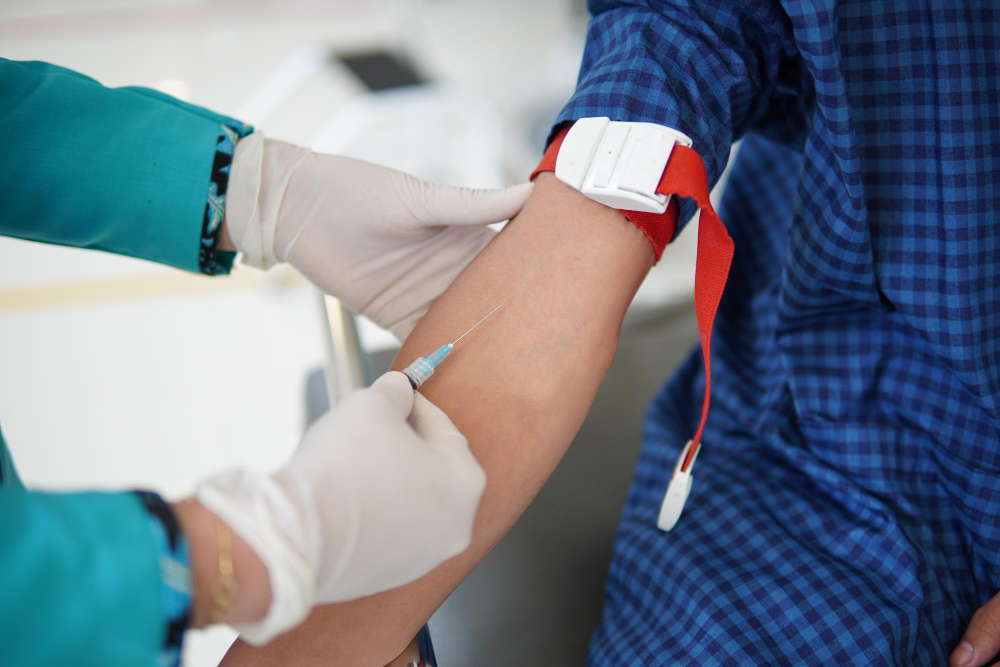
Doctors perform a liver function test using a blood sample. The procedure is simple and quick. First, a nurse cleans your arm. Then, a small needle draws blood from a vein. The sample goes to a lab for testing. Usually, you do not need special preparation. However, your doctor may ask you to fast or avoid certain medicines. Always follow your doctor’s instructions before the test. The process takes only a few minutes. Afterward, you can return to your normal activities.
Understanding Test Results
Liver function tests measure different substances in your blood. These include enzymes, proteins, and bilirubin. Each value tells something about your liver. For example, high levels of certain enzymes may mean liver damage. Low protein levels can show poor liver function. Here is what some results may indicate:
Still, many things can affect your results. Because of this, your doctor will explain what your numbers mean. For more details, see the CDC or WHO guidelines on liver tests.
Treatment and Follow-Up Steps
If your liver function test is abnormal, your doctor will suggest next steps. Sometimes, you may need more tests to find the cause. In other cases, treatment may start right away. For example, you may need to stop certain medicines or treat an infection. Your doctor may also suggest lifestyle changes. Regular follow-up tests help track your progress. Early action can protect your liver and improve your health.
Lifestyle Tips for Liver Health
Keeping your liver healthy is important. You can take simple steps every day. For instance, eat a balanced diet and avoid too much alcohol. Here are some tips for liver health:
These steps can lower your risk of liver problems. For more liver health tips, visit trusted sources like the CDC or WHO.
Prevention and When to Consult a Doctor
Preventing liver disease is easier than treating it. Therefore, make healthy choices and get regular check-ups. If you notice symptoms like yellow skin, swelling, or ongoing tiredness, see a doctor. Early testing can catch problems before they get worse. In summary, a liver function test is a simple way to protect your health. Do not wait if you have concerns about your liver.
Consult Doctors Diagnostics Centre for personalized advice on liver health. Our team is here to provide accurate testing and guide you in maintaining your liver health for a better future.