Introduction
The RT-PCR Test is a key tool in modern medicine. It helps doctors find certain viruses and bacteria in the body. In radiology, the RT-PCR Test often works alongside imaging tests to give a full picture of a patient’s health. Because it is very accurate, many people rely on it for quick answers. For example, the RT-PCR Test became well-known during the COVID-19 pandemic. This blog will explain what the RT-PCR Test is, how it works, and what you can expect if you need one.
What is an RT-PCR Test?
RT-PCR stands for Reverse Transcription Polymerase Chain Reaction. It is a lab test that looks for genetic material from viruses or bacteria. Unlike some tests, it can find even tiny amounts of virus in your body. Doctors use the RT-PCR Test to check for infections like COVID-19, flu, and others. Because it is so sensitive, it is often called the “gold standard” for virus detection.
How Does the RT-PCR Test Work?
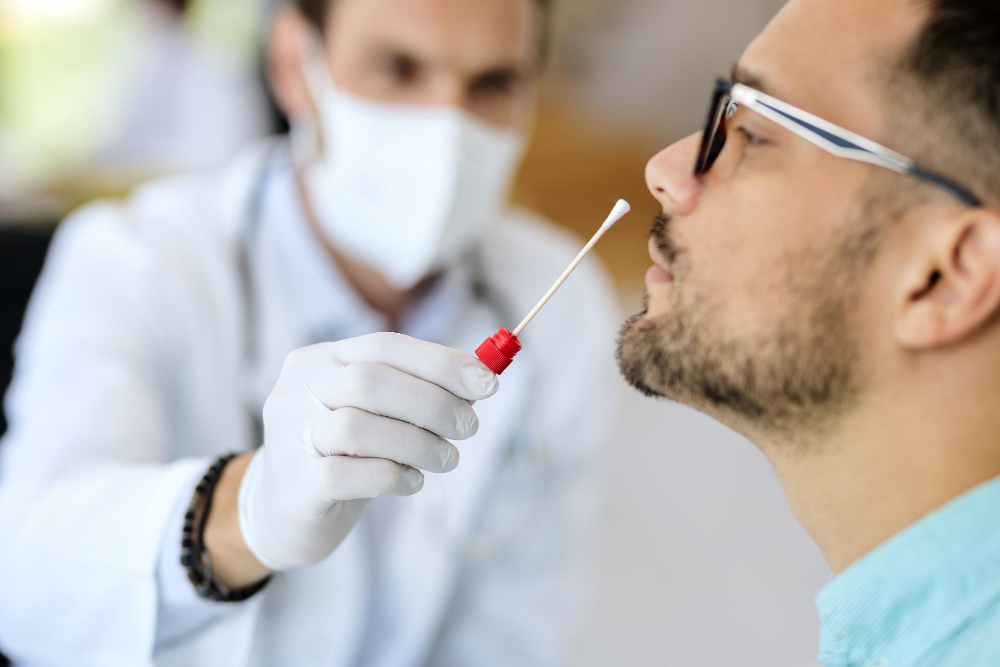
First, a sample is taken from your nose or throat. Then, the lab uses special chemicals to find the virus’s genetic code. The RT-PCR Test process copies this genetic material many times. As a result, even a small amount becomes easy to detect. This is why the RT-PCR Test is very accurate. However, it does need special machines and trained staff.
When is the RT-PCR Test Recommended?
Doctors may suggest an RT-PCR Test if you have symptoms of a viral infection. For instance, if you have a cough, fever, or sore throat, you might need this test. Sometimes, it is used before surgery or travel. In radiology, the RT-PCR Test helps confirm infections seen on scans. You can also ask for an “RT-PCR test near me” at many clinics and hospitals.
Preparation for the RT-PCR Test
Usually, you do not need to do much to get ready. However, some clinics may ask you not to eat or drink for 30 minutes before the test. It is important to follow any instructions given by your doctor. If you have questions, always ask before your appointment. This helps the test go smoothly.
Step-by-Step RT-PCR Test Procedure
The process is quick and takes only a few minutes.
Understanding Your RT-PCR Test Results
Your results will say either “positive” or “negative.” A positive result means the test found the virus. A negative result means it did not. Sometimes, you may get an “inconclusive” result. In that case, your doctor may ask you to repeat the test. If you want your “RT-PCR test results explained,” your healthcare provider can help you understand what they mean for your health.
Benefits and Limitations of the RT-PCR Test
The RT-PCR Test has many benefits:
However, there are some limitations:
Still, most experts agree that the RT-PCR Test is reliable for detecting viruses like COVID-19.
Safety and Side Effects
The RT-PCR Test is safe for most people. Some may feel mild discomfort during the swab. For example, your eyes may water or you may sneeze. However, these feelings go away quickly. Serious side effects are very rare. If you have concerns, talk to your doctor before the test.
Frequently Asked Questions about RT-PCR Test
Conclusion
In summary, the RT-PCR Test is a trusted way to find viral infections. It is quick, safe, and very accurate. If you have symptoms or need a test for travel or surgery, talk to your doctor. Visit Doctor Diagnostic Centre for an RT-PCR test.