
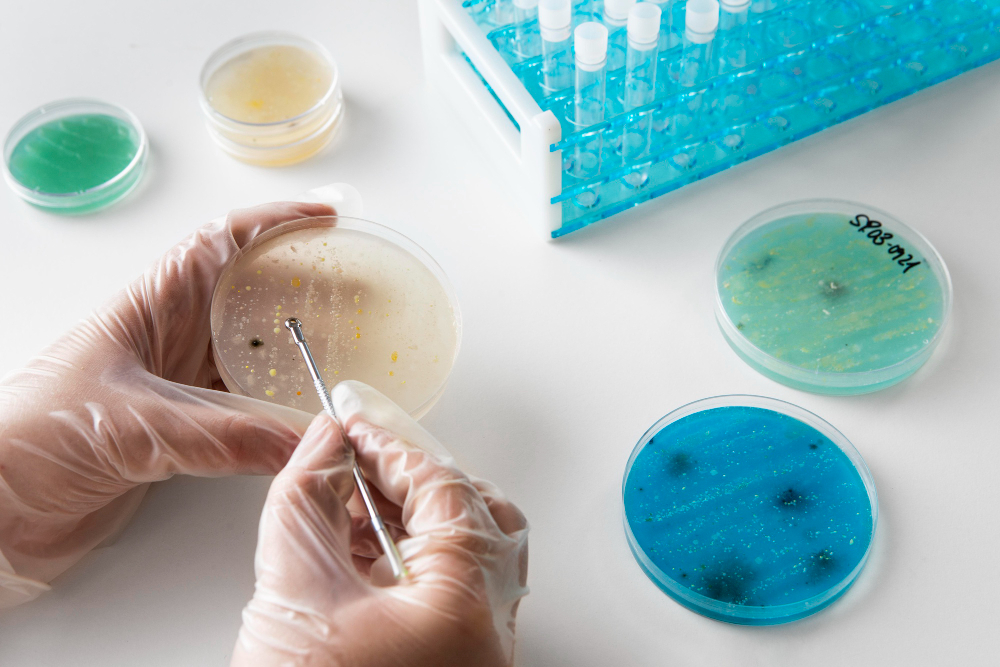
Sputum culture tests help doctors find infections in your lungs or airways. These tests check for bacteria, fungi, or other germs in mucus you cough up. Often, doctors use sputum culture tests to guide treatment for lung infections. If you have a cough that will not go away, your doctor may suggest this test. In this blog, you will learn what sputum culture tests are, why they are done, how to prepare, and what to expect during a sputum test.
What Are Sputum Culture Tests?
Sputum is the thick mucus you cough up from your lungs, not from your mouth or nose. A sputum culture test checks this mucus for germs that can cause illness. For example, it can find bacteria, fungi, or even tuberculosis. Doctors use this test to help diagnose infections in your lungs or airways. According to the CDC, sputum culture tests are important for finding the right treatment for lung infections.
Why Are Sputum Culture Tests Done?
Doctors order sputum culture tests for several reasons. Usually, they want to find out what is causing your cough or breathing problems. Common reasons include:
Sometimes, your doctor may also use this test to check if your treatment is working.
How Is a Sputum Culture Test Performed?
The sputum culture test is simple and safe. Here is what to expect during a sputum test:
The whole process usually takes less than 15 minutes. Most people find it easy and painless.
Preparing for the Test
Knowing how to prepare for a sputum culture test can make things easier. Here are some tips:
If you have questions about how to prepare, ask your healthcare provider.
Understanding Your Results
After the test, your doctor will review your sputum culture test results. Here is what you may learn:
Usually, results are ready in a few days. However, some germs, like tuberculosis, may take longer to grow in the lab. Your doctor will explain what your results mean and what happens next.
Risks and Limitations
Sputum culture tests are very safe. Still, there are a few things to keep in mind:
Even though the test is helpful, it is not perfect. Your doctor may use other tests if needed.
Tips for a Smooth Testing Experience
To make your sputum culture test easier, try these tips:
With these steps, you can help ensure a good sample and accurate results.
Prevention and When to See a Doctor
To lower your risk of lung infections, you can:
If you have chest pain, trouble breathing, or a high fever, seek medical help right away. Early testing and treatment can help you recover faster.
Consult a healthcare professional at Doctor Diagnostic Centre for personalized advice about sputum culture tests.