
Introduction to PCR Testing
PCR testing is a powerful tool used to detect viruses and bacteria in the body. In fact, PCR stands for Polymerase Chain Reaction. This test helps doctors find genetic material from germs, such as viruses that cause COVID-19. Because PCR testing is very sensitive, it can spot infections early. Today, many people ask, “How does PCR testing work?” or “What is the PCR test process?” Understanding these basics can help you feel more at ease if you need a test.
How PCR Testing Works
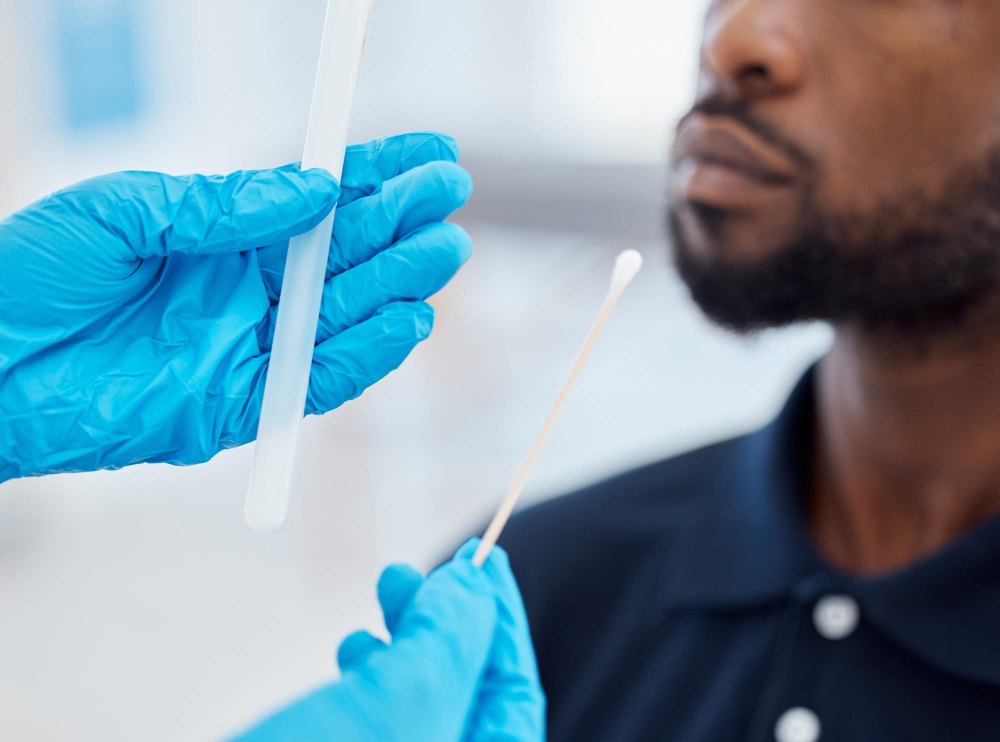
First, PCR testing looks for tiny pieces of genetic material called DNA or RNA. When you have an infection, the germ’s genetic material is present in your body. During the test, a small sample is taken, often from your nose or throat. Then, the sample goes to a lab. There, special chemicals and a machine make many copies of the genetic material. As a result, even a small amount of virus or bacteria becomes easy to find. This process is called amplification. Because of this, PCR tests can detect even tiny amounts of germs. According to the CDC, this method is very accurate for many infections.
When and Why PCR Testing Is Used
PCR testing is used in many situations. For example, doctors use it to check for:
Sometimes, PCR tests help find infections before symptoms appear. In addition, they are used to confirm a diagnosis when other tests are unclear. Because PCR testing is so sensitive, it is often the first choice for detecting new or rare infections.
The PCR Testing Process
Knowing what to expect can ease your mind. Here is a step-by-step guide to the PCR test process:
Most people feel only mild discomfort during the swab. Results can take a few hours to a few days, depending on the lab.
Accuracy and Limitations of PCR Testing
PCR test accuracy is high. According to the World Health Organization (WHO), PCR tests can find even small amounts of virus. However, no test is perfect. Sometimes, results can be false negative or false positive. For example, if the sample is not collected properly, the test may miss an infection. Also, PCR testing may not show if you had an infection in the past. Despite these limits, PCR testing remains one of the best ways to detect active infections.
Safety, Risks, and Preparation Tips
PCR testing is safe for most people. The main risk is mild discomfort from the swab. Rarely, people may feel a tickle or sneeze during the test. To prepare, follow your healthcare provider’s instructions. For example, you may be asked not to eat or drink before the test. If you feel nervous, let the staff know. They can help you feel more comfortable. After the test, you can return to normal activities unless told otherwise.
Frequently Asked Questions about PCR Testing
Conclusion and Call-to-Action
PCR testing is a reliable way to detect many infections. Because it is sensitive and accurate, doctors use it often. If you have questions or concerns about PCR testing, visit Dr. Doctor Diagnostic Centre for personalized guidance.