What Is a Thyroid Panel?
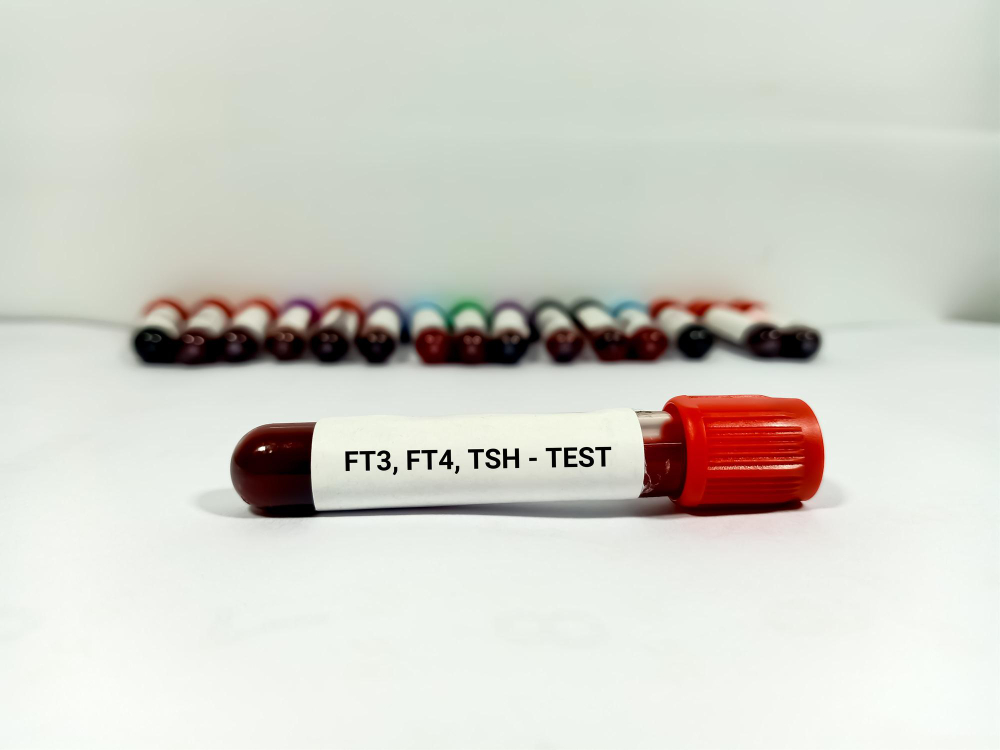
A thyroid panel is a group of blood tests. These tests check how well your thyroid gland works. The thyroid is a small gland in your neck. It makes hormones that control your body’s energy and metabolism. Because these hormones affect many body functions, a thyroid panel can give important health information. Doctors often use a thyroid panel to look for thyroid problems.
Why Is a Thyroid Panel Ordered?
Doctors order a thyroid panel for several reasons. Sometimes, people have symptoms that suggest a thyroid problem. Other times, doctors use the test to monitor known thyroid conditions. In addition, a thyroid panel can help find the cause of symptoms like tiredness or weight changes. Early detection of thyroid issues can lead to better treatment.
What Tests Are Included in a Thyroid Panel?
A standard thyroid panel includes several tests. Each test measures a different hormone or protein. Together, they give a full picture of thyroid health. The main tests are:
Because each test gives different information, doctors often order them together as a thyroid panel test.
How Is the Test Performed?
Getting a thyroid panel is simple. First, a healthcare worker draws a small amount of blood from your arm. Next, the blood goes to a lab for testing. Most people feel only a quick pinch. Afterward, you can return to your normal activities. Results are usually ready within a few days.
What Do the Results Mean?
Understanding thyroid panel results can seem confusing. However, your doctor will explain what the numbers mean. Here’s a simple guide:
Still, many things can affect thyroid function test results. For example, pregnancy, certain medicines, or illness can change your hormone levels. Therefore, always discuss your results with your doctor.
Common Symptoms That May Prompt a Thyroid Panel
Doctors may suggest a thyroid panel if you have symptoms of thyroid disease. Some common signs include:
If you notice these symptoms, it is wise to talk to your doctor. Early testing can help find problems sooner.
How to Prepare for a Thyroid Panel
Preparing for a thyroid panel is easy. In most cases, you do not need to fast. However, some medicines can affect your results. For example, biotin supplements may change thyroid function test results. Therefore, tell your doctor about all medicines and supplements you take. If you have questions, ask your healthcare provider before the test.
When to Consult a Doctor
It is important to consult a doctor if you have symptoms of thyroid disease. Also, if your thyroid panel test shows abnormal results, seek medical advice. Your doctor can help you understand your results and plan the next steps. Because thyroid problems can affect many parts of your body, early care is best.
Summary
In summary, a thyroid panel is a simple blood test that checks your thyroid health. It includes TSH, T3, T4 blood tests, and sometimes antibody tests. Understanding thyroid panel results can help you and your doctor find and treat thyroid problems early. If you have symptoms or questions, consult a healthcare provider at Doctor Diagnostic Centre for personalized advice about your thyroid health.