
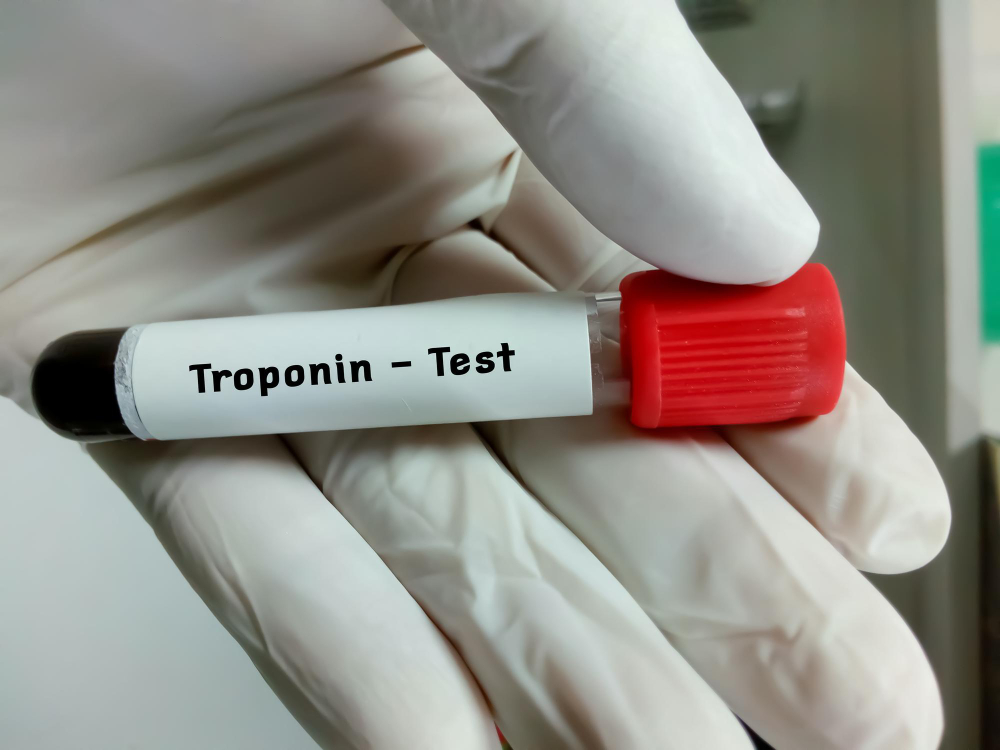
Introduction to the Troponin I Test
The Troponin I test is a common blood test used to check for heart damage. Doctors often use this test as a cardiac biomarker test. In many cases, it helps diagnose a heart attack. Because it is quick and accurate, the Troponin I test is important in emergency rooms. If you have chest pain or other heart symptoms, your doctor may order this test.
What is Troponin I?
Troponin I is a protein found in heart muscle. Normally, it stays inside your heart cells. However, when the heart is damaged, Troponin I leaks into the blood. For example, during a heart attack, these levels rise quickly. Since Troponin I is specific to the heart, it is a reliable marker for heart injury.
Why is the Troponin I Test Done?
Doctors use the Troponin I test to check for heart problems. Most often, it helps diagnose a heart attack. Sometimes, it is used to check for other heart injuries. In addition, this test can help doctors decide how serious the damage is. Early detection can save lives.
Symptoms and Situations That May Require the Test
There are several reasons your doctor may order a Troponin I test. Usually, it is done if you have symptoms of a heart attack. These symptoms can include:
Sometimes, the test is also used after heart surgery or injury. If you have risk factors like high blood pressure or diabetes, your doctor may be more likely to order this test.
How the Troponin I Test Is Performed
The Troponin I test is simple and quick. First, a healthcare worker draws a small amount of blood from your arm. Next, the sample goes to a lab for testing. Often, results are ready within a few hours. In some cases, the test may be repeated several times over a few hours. This helps doctors see if your troponin levels are rising or falling.
Understanding Troponin I Test Results
After the test, your doctor will review your results. The troponin normal range can vary by lab, but usually, very low or undetectable levels are normal. If your levels are higher than normal, it may mean your heart is damaged. However, other factors can sometimes affect the results.
What High or Low Levels Mean
High Troponin I levels often suggest a heart attack. But, they can also rise due to other heart problems, such as:
On the other hand, low or normal levels usually mean there is no heart damage. Still, your doctor may repeat the test to be sure. Sometimes, early after a heart attack, levels may not rise yet.
Next Steps After the Test
Once you get your results, your doctor will explain what they mean. If your Troponin I levels are high, you may need more tests or treatment. For example, you might need an ECG or heart imaging. In some cases, you may need to stay in the hospital for close monitoring. If your levels are normal, your doctor will look for other causes of your symptoms.
Prevention and Lifestyle Guidance
Even if your Troponin I test is normal, it is wise to care for your heart. You can lower your risk of heart problems by:
Additionally, regular check-ups help catch problems early.
When to Consult a Doctor
If you have chest pain, trouble breathing, or other heart symptoms, seek medical help right away. Even if your symptoms seem mild, it is better to be safe. Early testing and treatment can prevent serious problems.
If you have concerns about your heart health or test results, consult Doctor Diagnostic Centre for personalized advice.